Occasional Moments of Brilliance

Photography that is always great, and occasionally brilliant.

Posts from the ‘Korea’ category

From Dragon to Snake
M13_5228

M13_5497

M13_5759

M13_5798

M13_5809

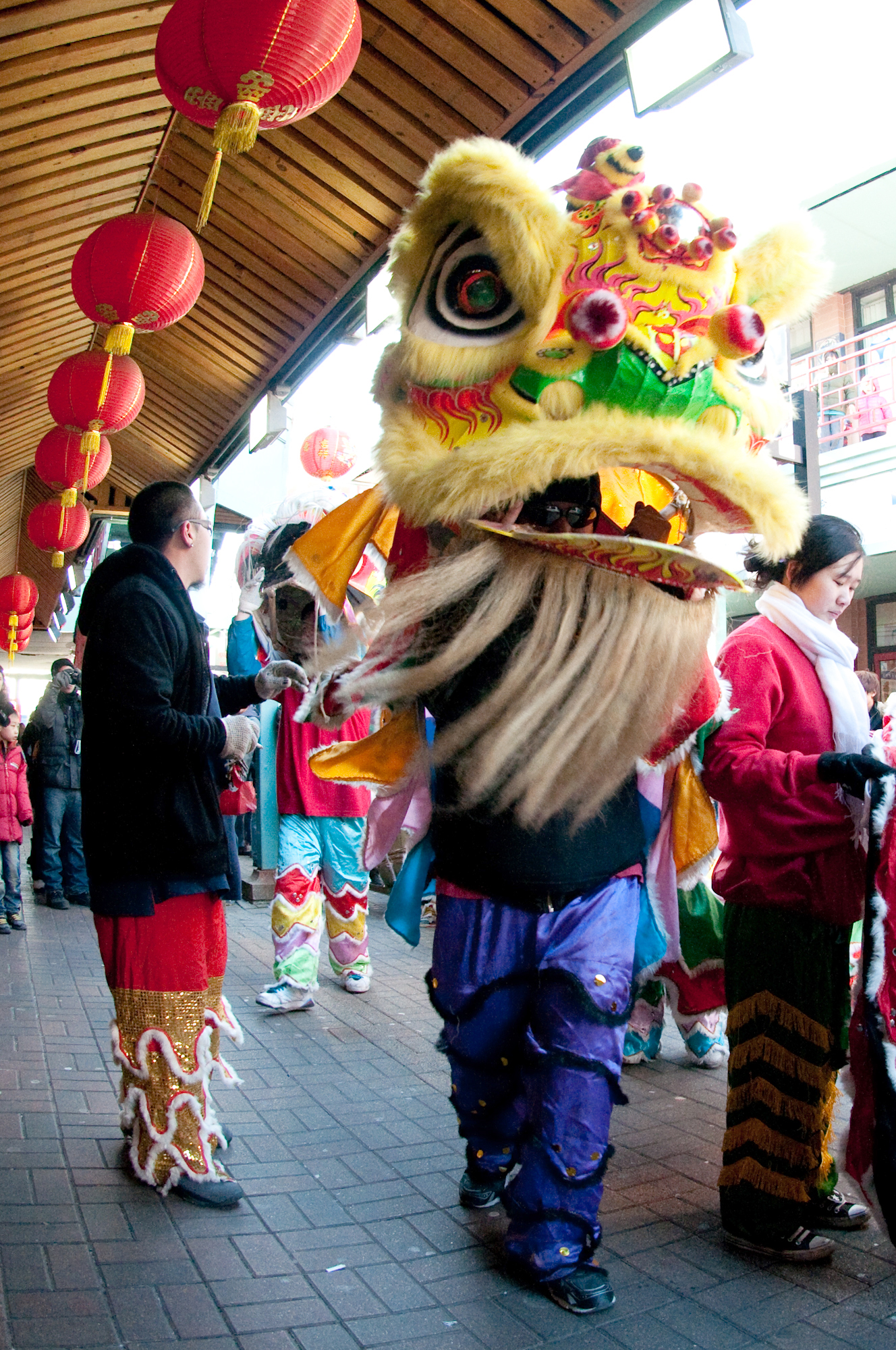
On a clear, cold Sunday afternoon I made my way to Wentworth Avenue, just south of the Loop in Chicago. I remembered as I walked, the only other time that I’d been to Chinatown. It was years ago. I was breaking in my new to me Mamiya 645AFD and I ended up shooting a couple rolls of Fuji E-6 transparency film. They turned out to be two of the, to date, less than 20 rolls I’ve put through that camera. Today the goal, and my entire perspective was quite different. I was going in to cover the Lunar New Year parade, this time through the lens of my years living in Asia. While in Korea, I often asked my friends about events in Seoul to celebrate the holiday. It turned out that during Seollal as it’s known in Korean, the city turns into a ghost town. There is a mass migration out of the city as families gather in their ancestral homes. It’s a good opportunity to photograph giant subway stations devoid of people, but not much else. This year however, I anticipated an energetic public event.

Known in China as Yuan Tan, Lunar New Year is celebrated on the second new moon after the winter solstice. The parade was part of 15 days of celebration celebrating the beginning of the year of the water snake. The snake represents the12 year cycle of the Chinese zodiac, and water comes from the five year repeating cycle of elements.

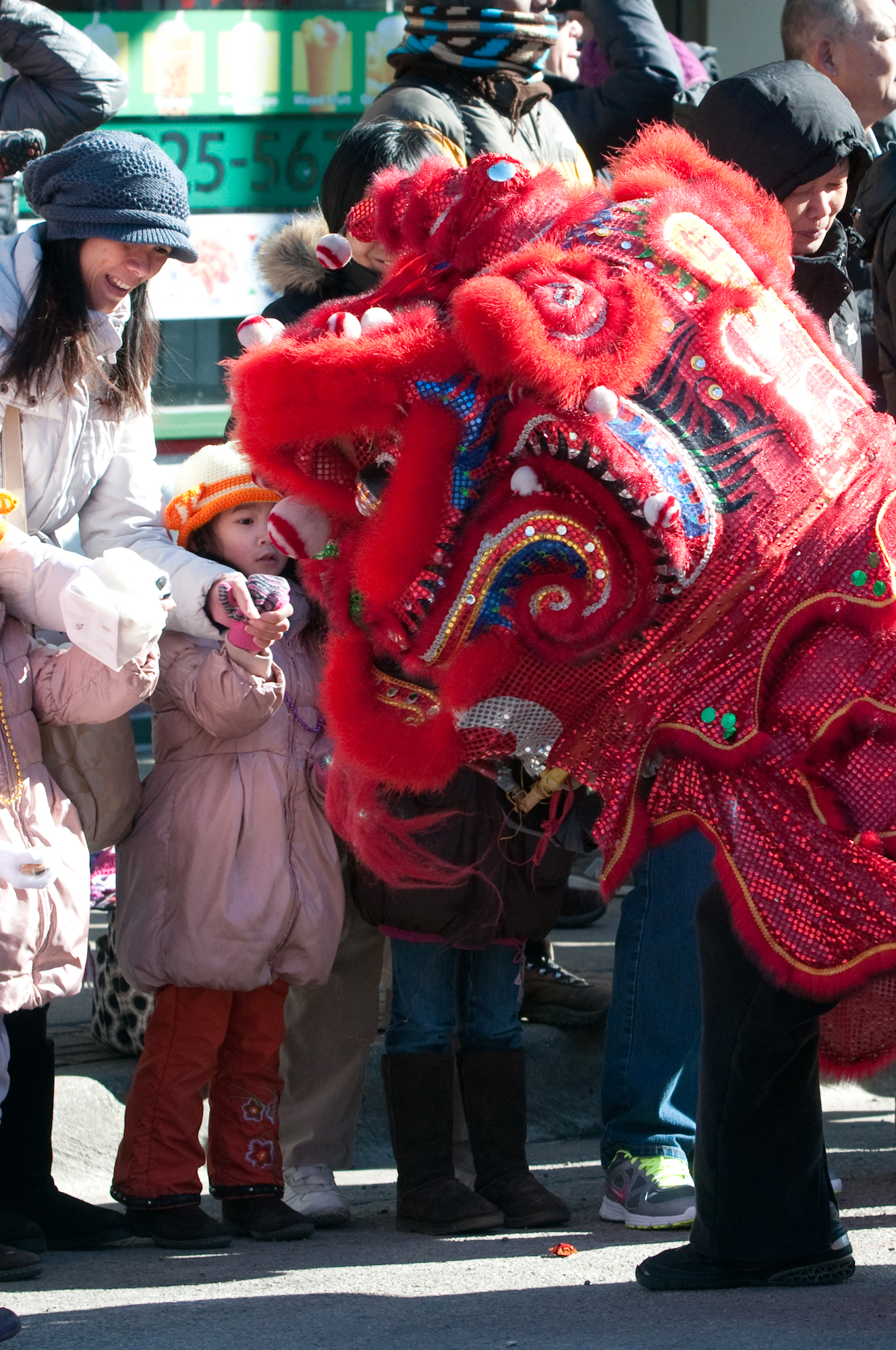
The parade itself was a lively event, and the sidewalks were packed. People cheered loudly for the Chinese themed presentations including beautiful two person lion costumes, fireworks and a long dragon, requiring several people to operate. There were also representatives from several local Chinatown cultural organizations, and seeming a bit out of place, local marching bands and of course Ronald MacDonald. After passing beneath the large archway over Wentworth Ave., the lion performers gathered around the marshall’s stage as the observers flowed in behind them for a brief closing ceremony and some fireworks. I was just looking for the parade staging area when I noticed all of the lion costume performers and a group of musicians leading a crowd down the street.

The lion costumes and dance performance comes from a legend in ancient China where a beast called a ‘nian’ would terrorize, and sometimes consume, villagers. The people soon learned that the color red, loud noises and light would frighten the creature away. Red is now seen as a symbol of good luck for the New Year. In modern times, firecrackers are in abundance and red is seen as a symbol of good luck. Gifts of money are often delivered in red envelopes, red lanterns are hung and good luck wishes are written on red paper.

The lion dancers and their accompanying musicians went through the streets performing for many local businesses. Their routine involved three bows outside, with a further performance inside to bring luck and prosperity in the coming year.
60 Years


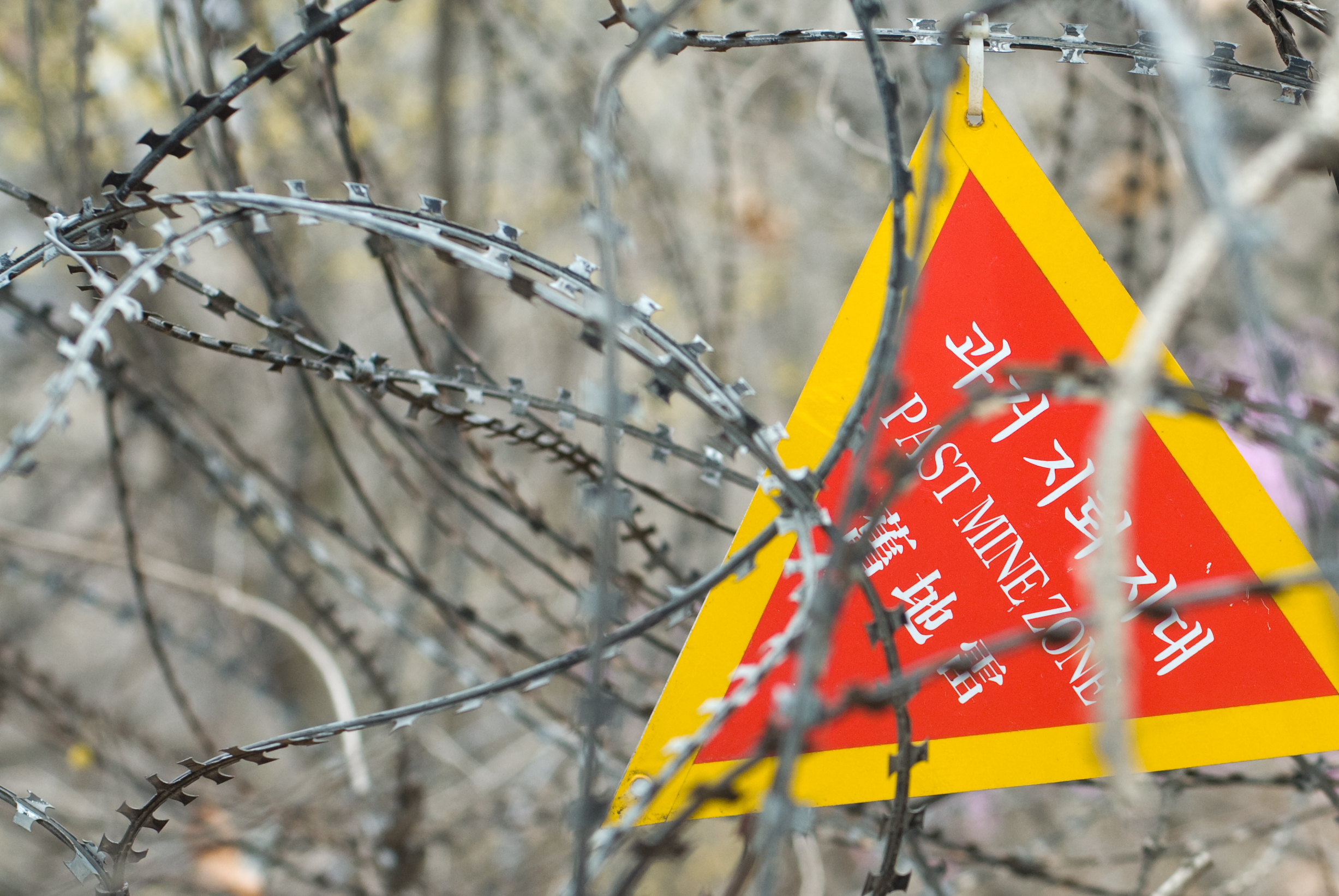
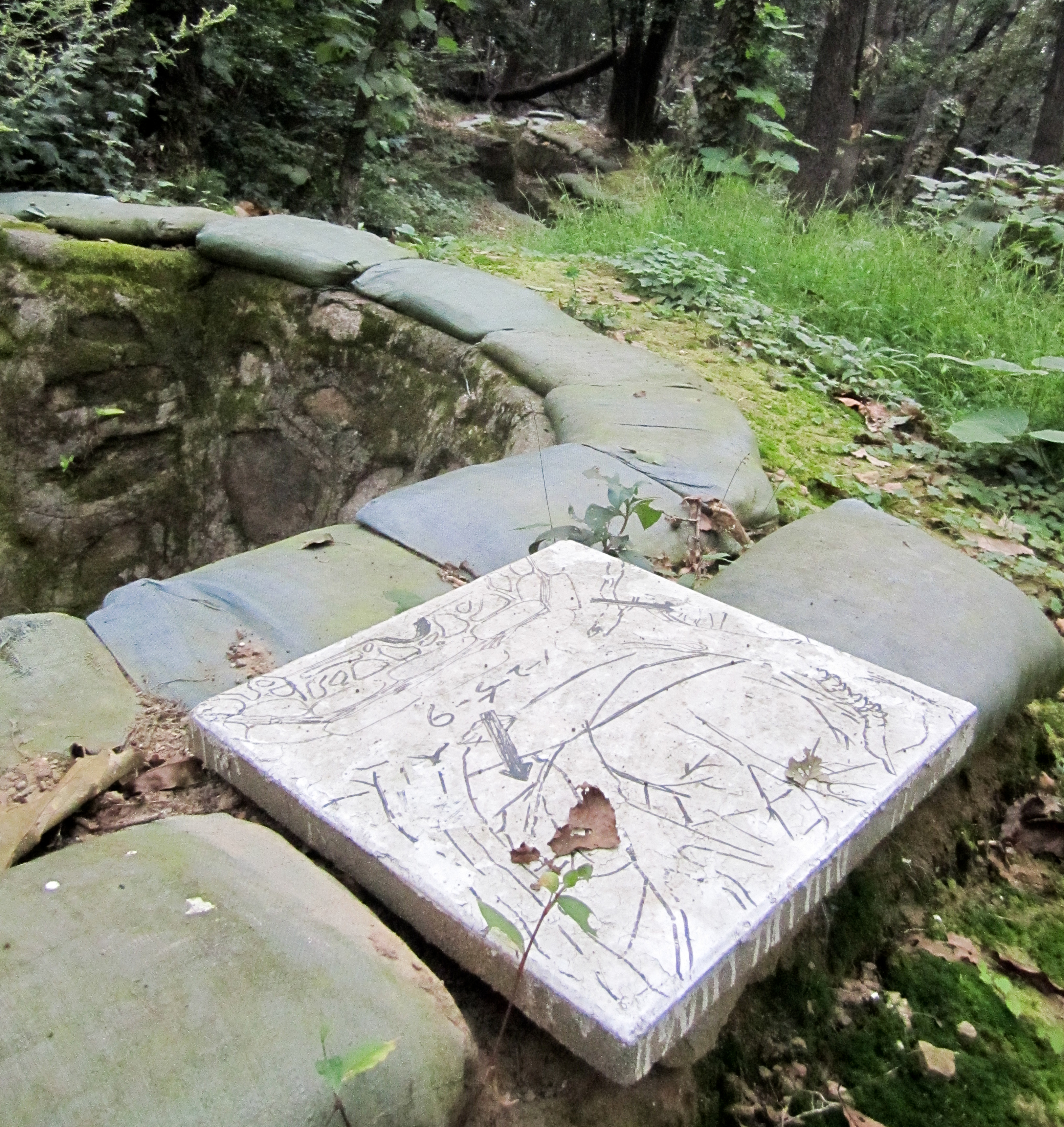
Next year will be the 60th anniversary of the end of the Korean War. To this day, there are reminders everywhere of a conflict that officially continues. Two years of military service are required which means 20-something men in uniform, fresh out of basic training are a common sight on the streets and subways of Seoul. Sometimes while walking home I would see camouflage painted faces peering out of the bushes at the base of the mountain behind my building. This same mountain was home to a few barbed wire protected areas connected by ribbons of interconnected sandbag trenches punctuated by poured concrete pillboxes. I found these elaborate defenses strange until I realized that these mountains, that I lived at the bottom of, would be the first line of defense south of the Han River.

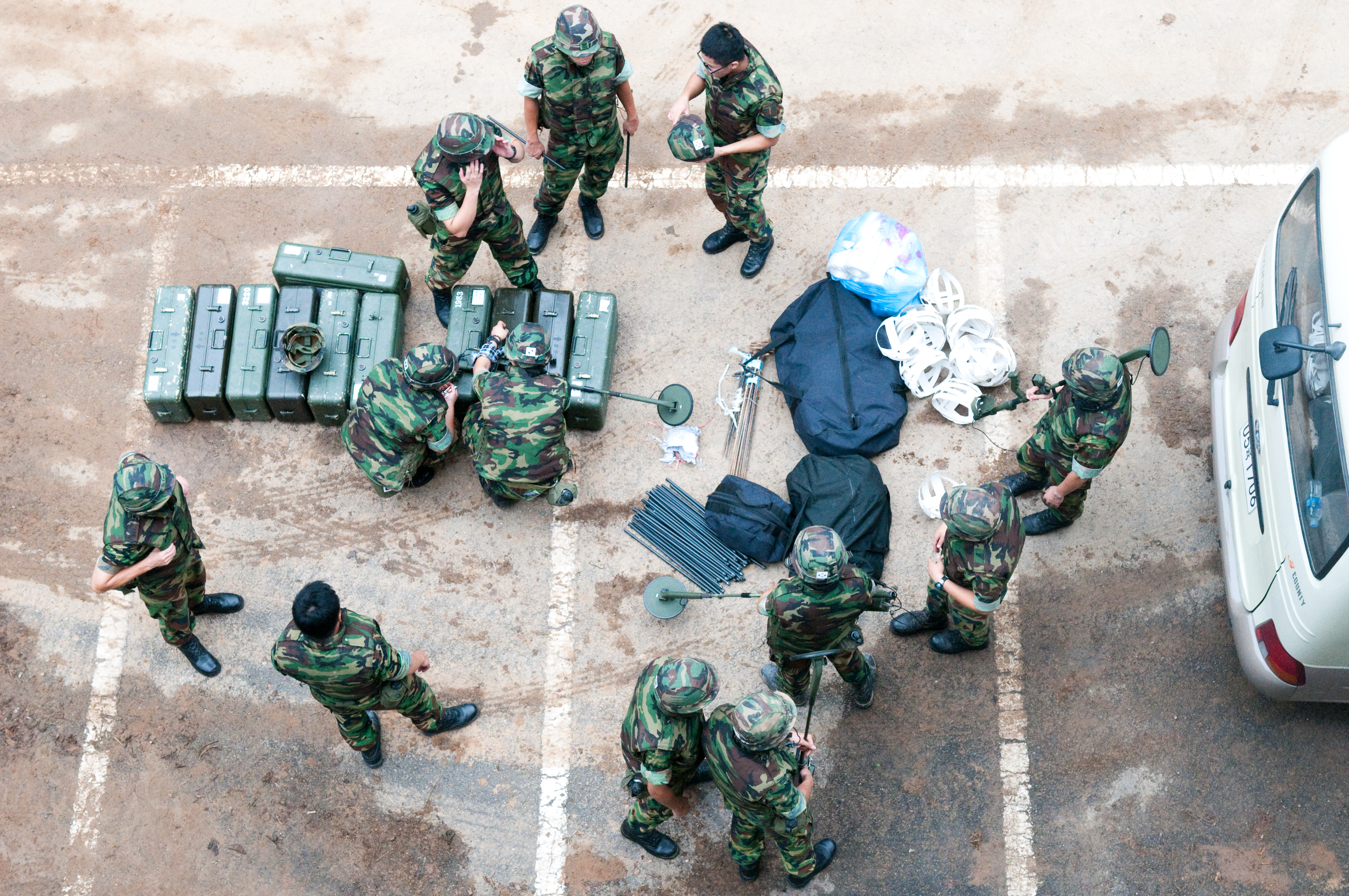
I also learned that the ridge was populated with landmines when I was awoken one morning by minesweepers preparing their equipment outside my window. They were getting ready to move into the area damaged by the mudslide to search for mines that had washed down the mountain.

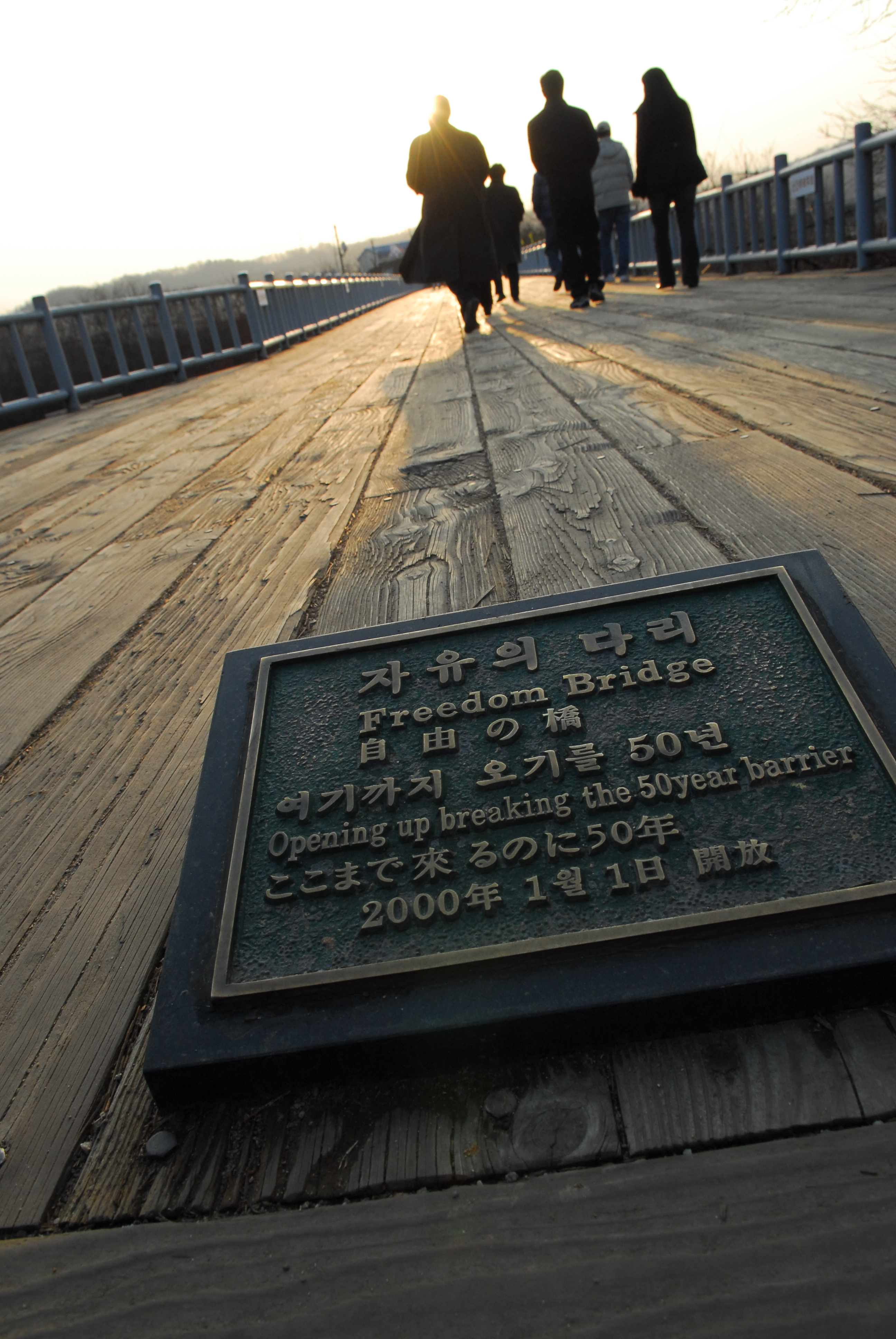
The closest that many people can get to North Korea is a handful of parks including places like the ‘Freedom Bridge’. Many of the adults I know rarely speak about the war, only of sadness for family members lost on the other side of the border.  In contrast the students that I interacted with daily, when their focus shifted to international issues, seemed far more concerned about their Japanese neighbors than those to the north.

It seems it’s just a matter of perspective though. My American friends regularly asked if I was worried about North Korean invasion and just as often, my Korean friends inquired if my family was safe from swine flu.

***

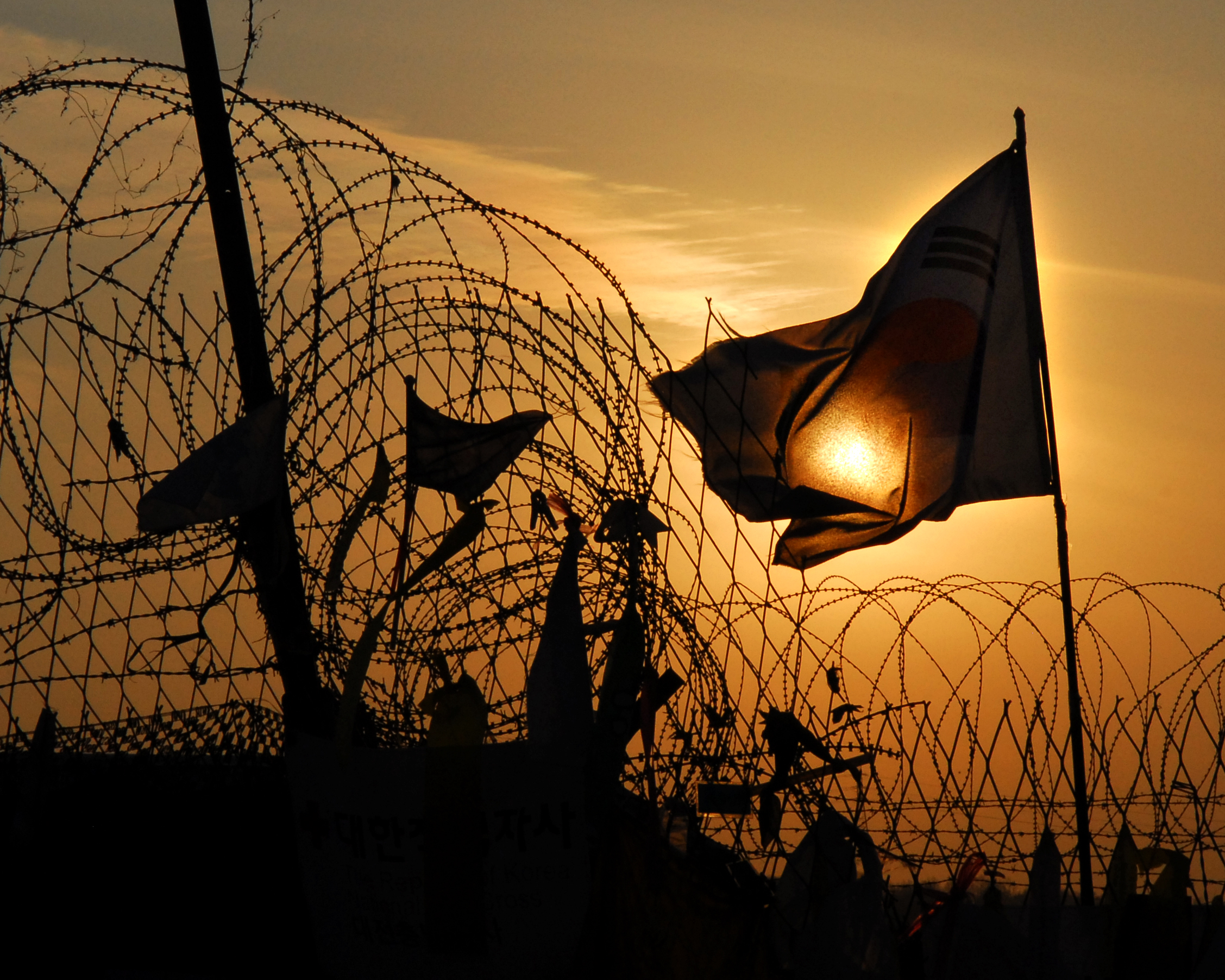
The sunset image above was captured on a staff trip to a memorial park near the border. It’s as close as many South Koreans can get to lost friends and relatives. Because of this the fence topped with barbed wire is covered with notes and letters to them. I shot this image 55mm, 1/1250 sec. at f22, and bracketed by one stop. I took a spot meter reading off of the Korean flag as it was a good middle value between the red sky and dark fence and papers.

Noraebang

Anxiously I descended the neon lit steps of the drab looking post-war era concrete building in Incheon. I was struggling to remember the last time I had sung anything outside of the comfort of my car with the windows rolled up. The only memory I had took me back to the days of high school choir performances. Any hopes that I harbored of being able to disappear into the background were dashed when we entered into our room, which was a semicircle of couches with a table in the center, disco ball, and giant screen dominating one wall…it was about the size of my kitchen back home. My insecurity quickly evaporated once the tunes began to flow. I belted out ‘Proud Mary’ and sang along on a few duets. By the end of the evening, I was hooked. I found the ubiquitous Noraebang (literally, singing room) in every city, sometimes on nearly every street corner in even the smallest towns in South Korea.